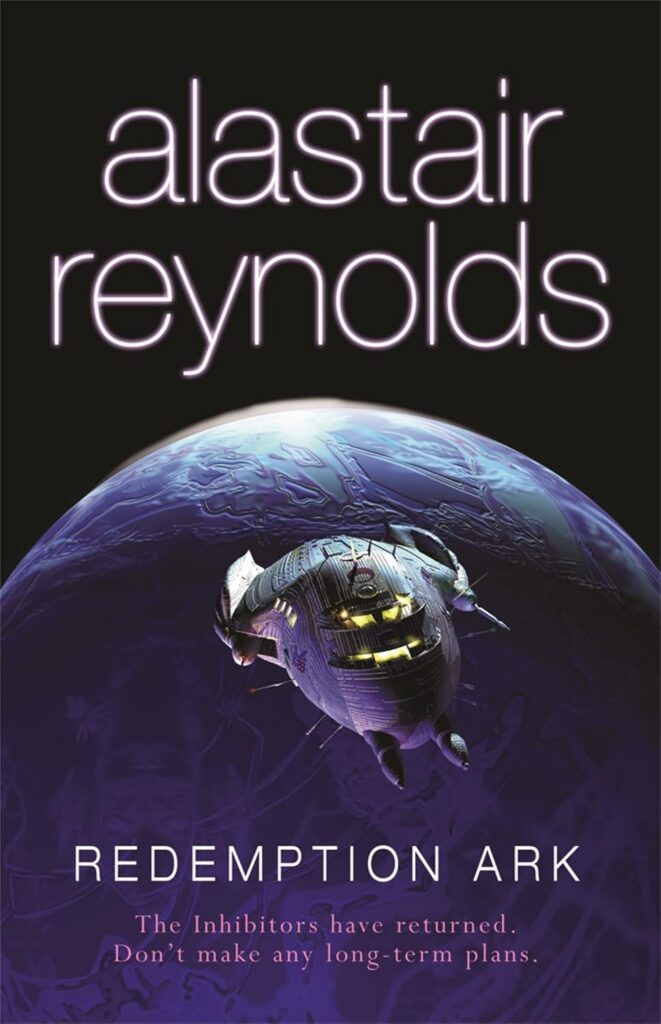
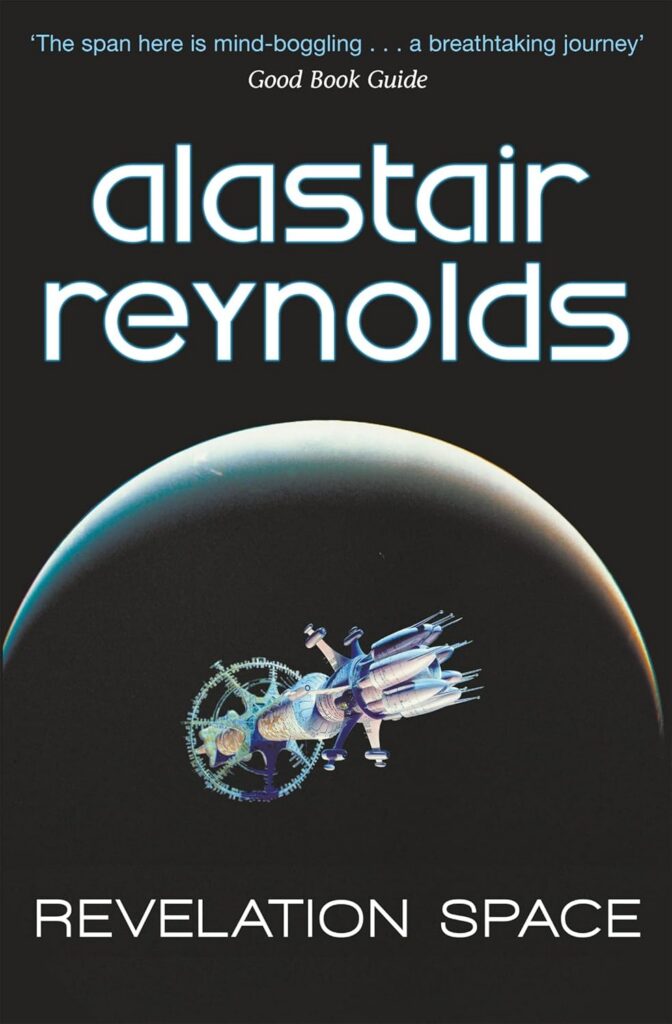
Continuing with re-reading Alastair Reynolds‘ Revelation Space series on Kindle. Had read this many years ago and barely remembered the plot so still got good tension and excitement from it. Ended up being a fast read as was fully engaged in it as a ‘page turner’.
I first read Alastair Reynolds’ Revelation Space over 20 years ago on paperback (it is still up in my attic). Although I’d forgotten much of the plot, the ideas, scientific rigor of the author, rich characterisation and atmospheric scenes really resonated. I recently re-read it on Kindle and loved the worn, practical descriptions of the environments and ship interiors in the story. Very much in the vein of the “industrial gothic” / “used future” set designs from the Alien movies.
The plot line contained an element of archaeological mystery which I always find enjoyable. I’ll re-read the rest of the series as it has stood the test of time well and still feels original and fresh.
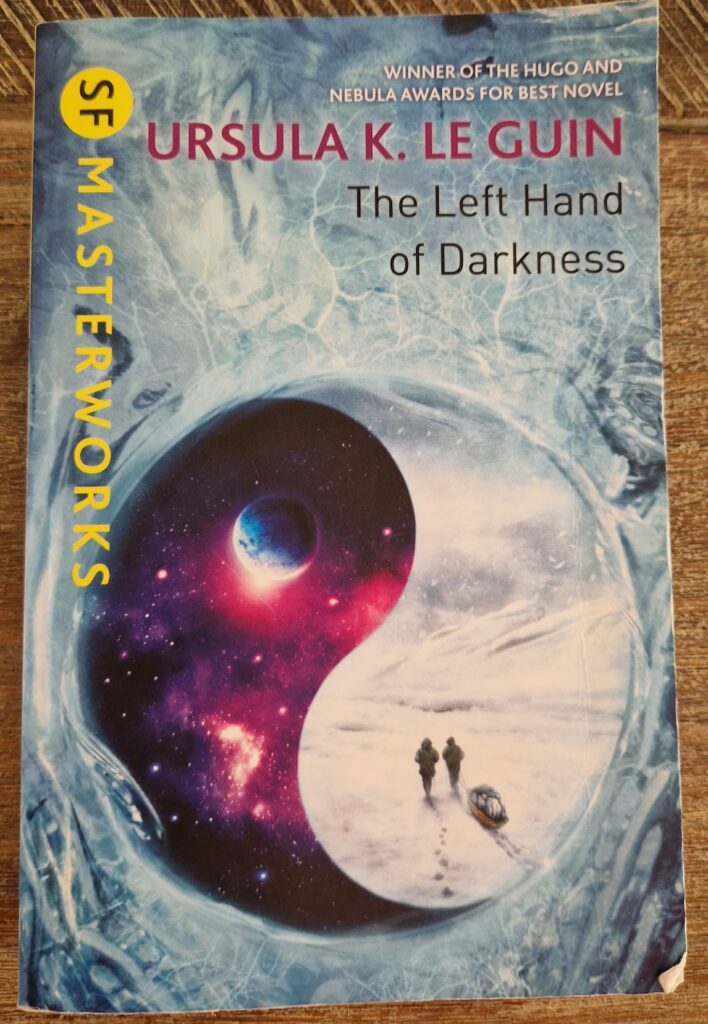
The Left Hand of Darkness by Ursula K. Le Guin the writer of Earthsea was a recent holiday read for me. Although in the Sci-Fi genre the story was really focused on Politics, disinformation, and discrimination. I found similarities with Aleksandr Solzhenitsyn’s Gulag Archipelago and Franz Kafka’s The Trial. With today’s controversies about transgender rights, the book was ahead of its time in describing a society where genders and roles change over time. The growing closeness under adversity between the two main protagonists was moving and convincing. This is an important book and should be on the reading list for anyone interested in the politics of repression.
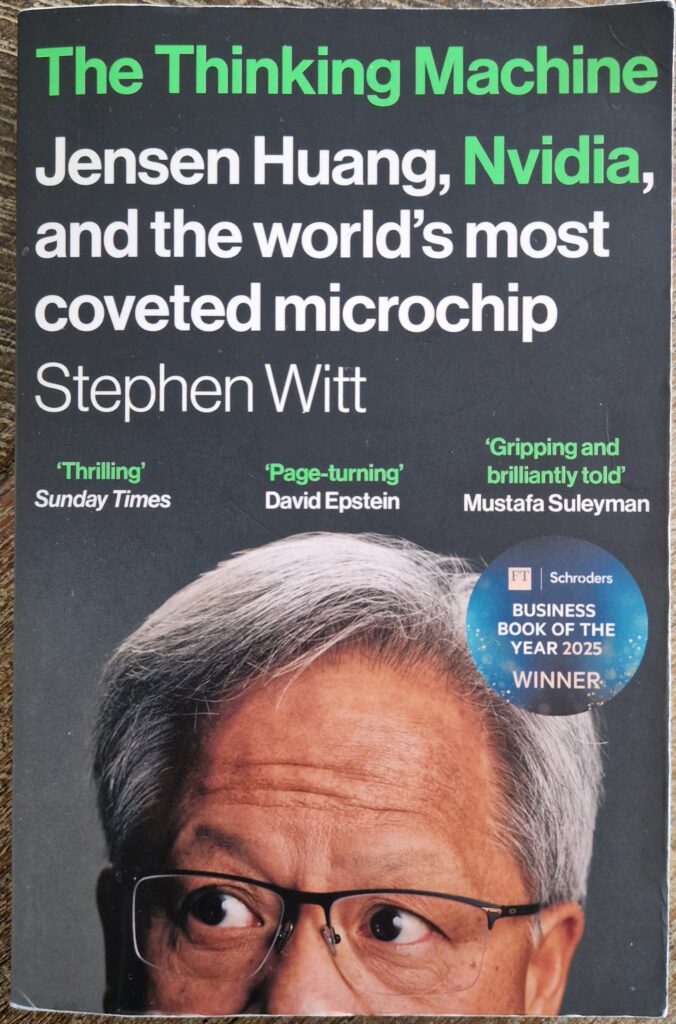
Stephen Witt’s biography of Jensen Huang the founder of the graphics card company Nvidia which has become the market leader in the creation of GPUs used to power the modern world of AI. Earlier in my career, a colleague invested some time in learning CUDA, the capability provided on Nvidia graphics cards for performing more generic mathematical calculations that went beyond traditional 3D polygonal operations and ray tracing needed for games rendering.
Until reading this book, I’d no idea how packaging CUDA was such a big bet for Nvidia as it didn’t directly feed into their core gaming business at the time. Nvidia had to work hard to advocate with scientific researchers to start leveraging the capability for scientific research. Ultimately this positioned Nvidia to be at the vanguard of AI and LLM training. Good book, well worth a read.
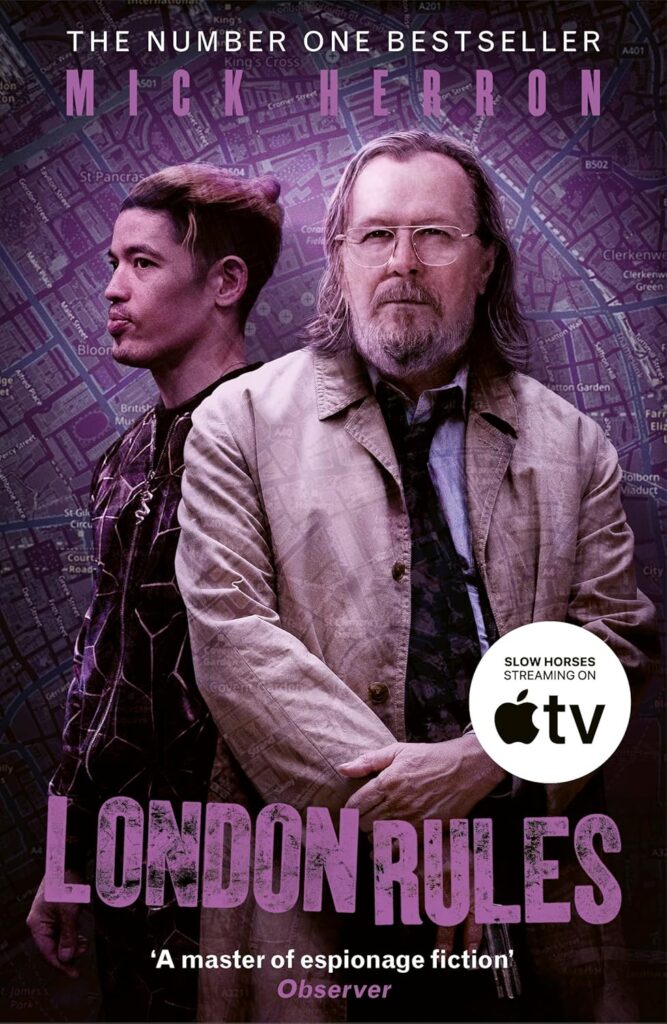
The fifth novel in Mick Herron‘s Slough House series. A good yarn about terrorism and espionage set in the UK. I want to get through the novels before watching the TV series starring Gary Oldman (he is very well cast for his role)
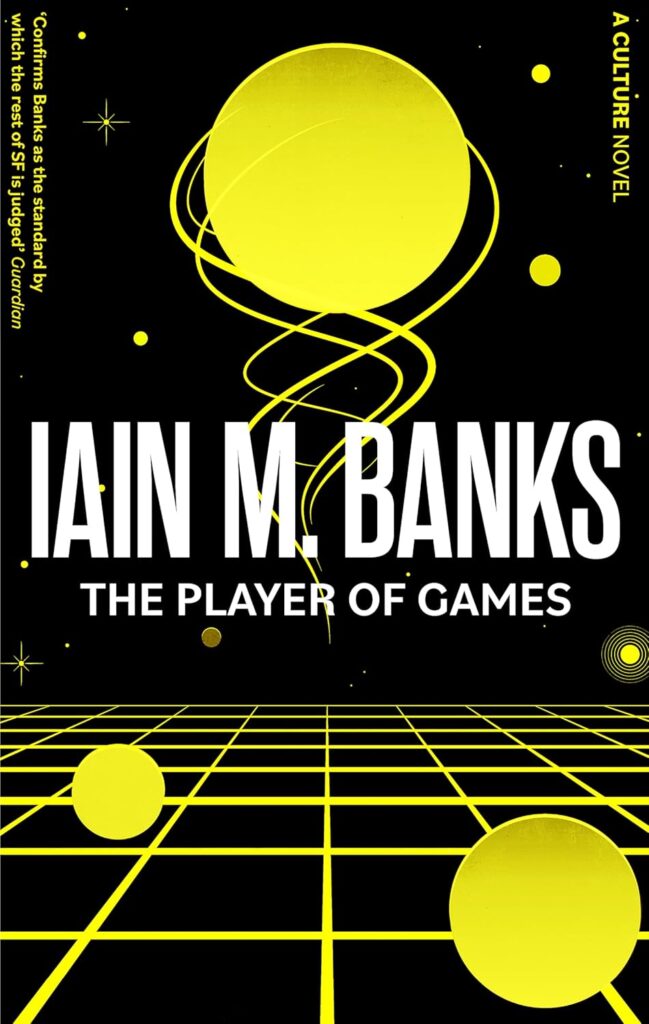
A re-read for me on Kindle. I have the original paperback up in my attic. I first read this brilliant book many years ago – probably around 1999 but in writing this note, when I searched WikiPedia, it was published way back in1988. The technical world and concepts Iain M. Banks came up with for the Culture (I previously read Consider Phlebas from the same series) still stand up really well today.
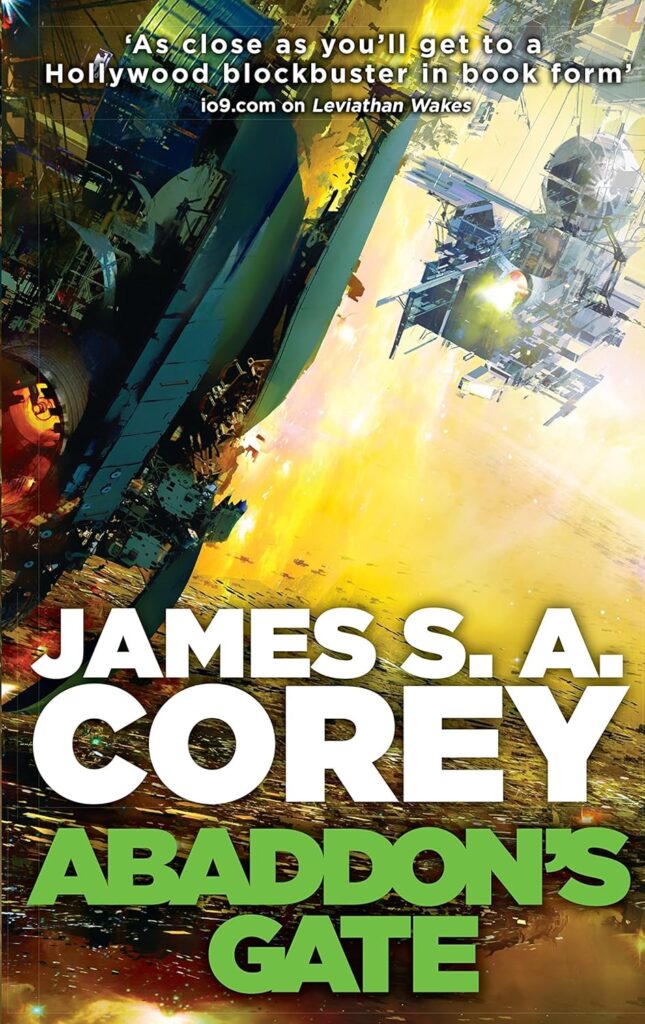
Another Kindle read of James S.A. Corey’s Expanse series. Book 3 follows on from Book 2: Caliban’s War. Still enjoying it. I definitely visualise the characters from the Expanse series from Amazon Prime when reading it. Will take a break and read the next one soon.
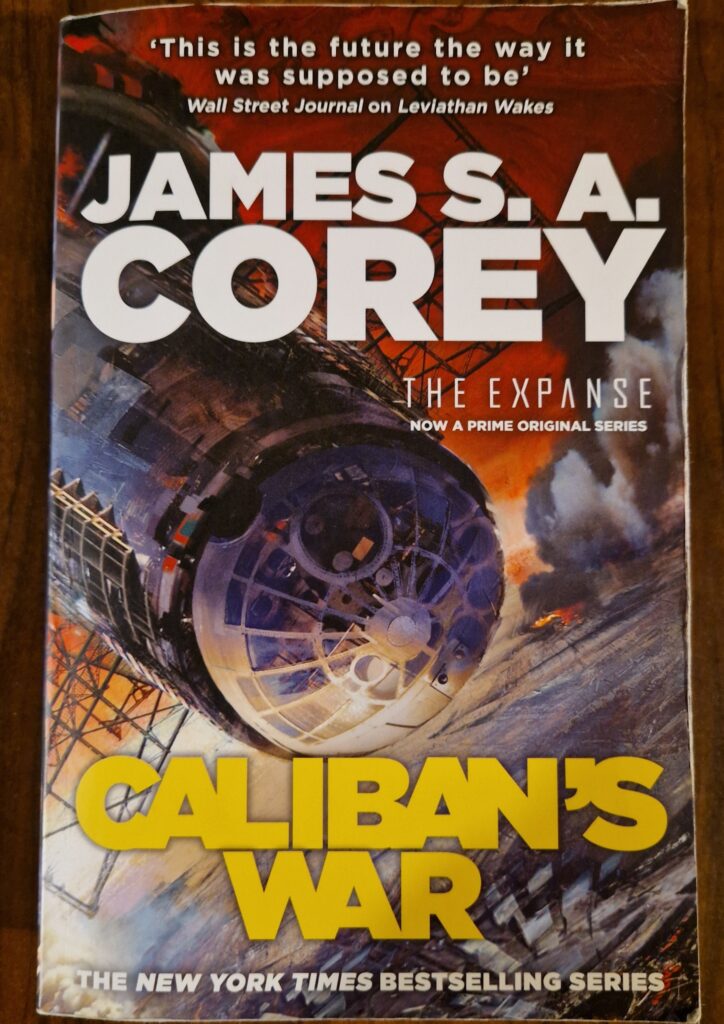
The second in the Expanse series from James S. A. Corey. (I previously read Leviathan Wakes in the same series). A good read. Shows again how good the Amazon Prime TV adaptation was.
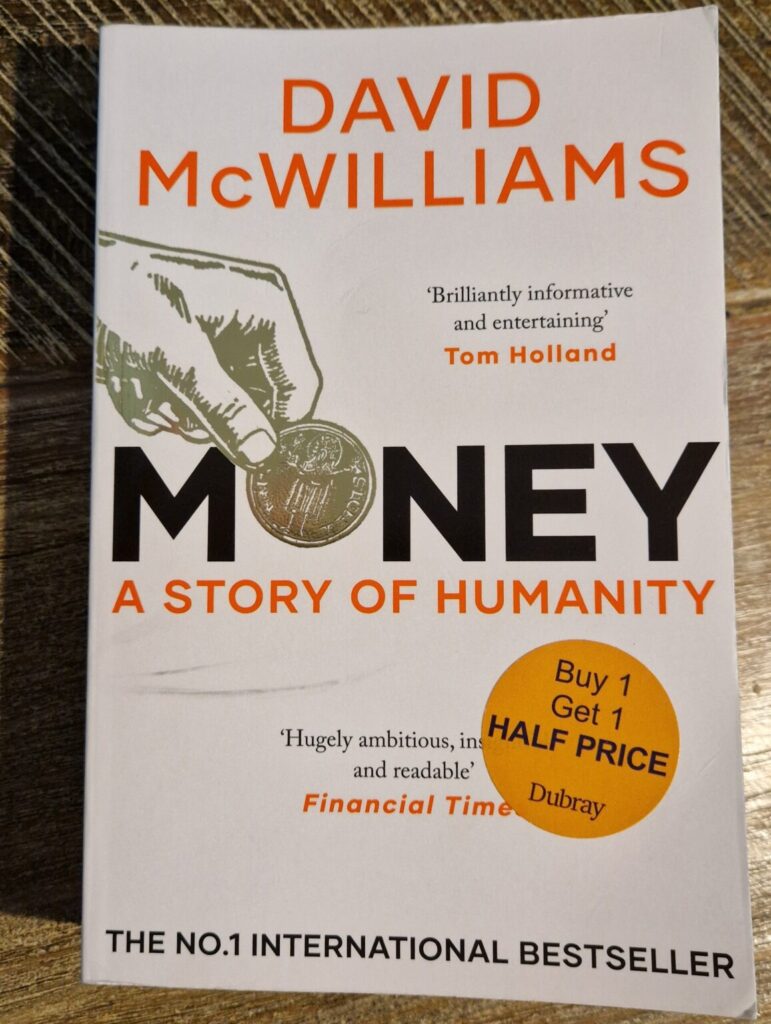
An enjoyable narrative woven by Irish economist David McWilliams about the use of money, currency and finance throughout human history. I’m a regular listener to McWilliams’ podcast with his collaborator John Davis on Spotify. Reading this book, it was fun hearing the author’s unique perspective on historic and economic upheavals such as the South Sea Bubble, the American Civil War, and the hyperinflationary period during the Weimar Republic in post WW1 Germany. The book has an extensive citation list and index so would also be a good reference for anyone interested in or studying macroeconomic history.
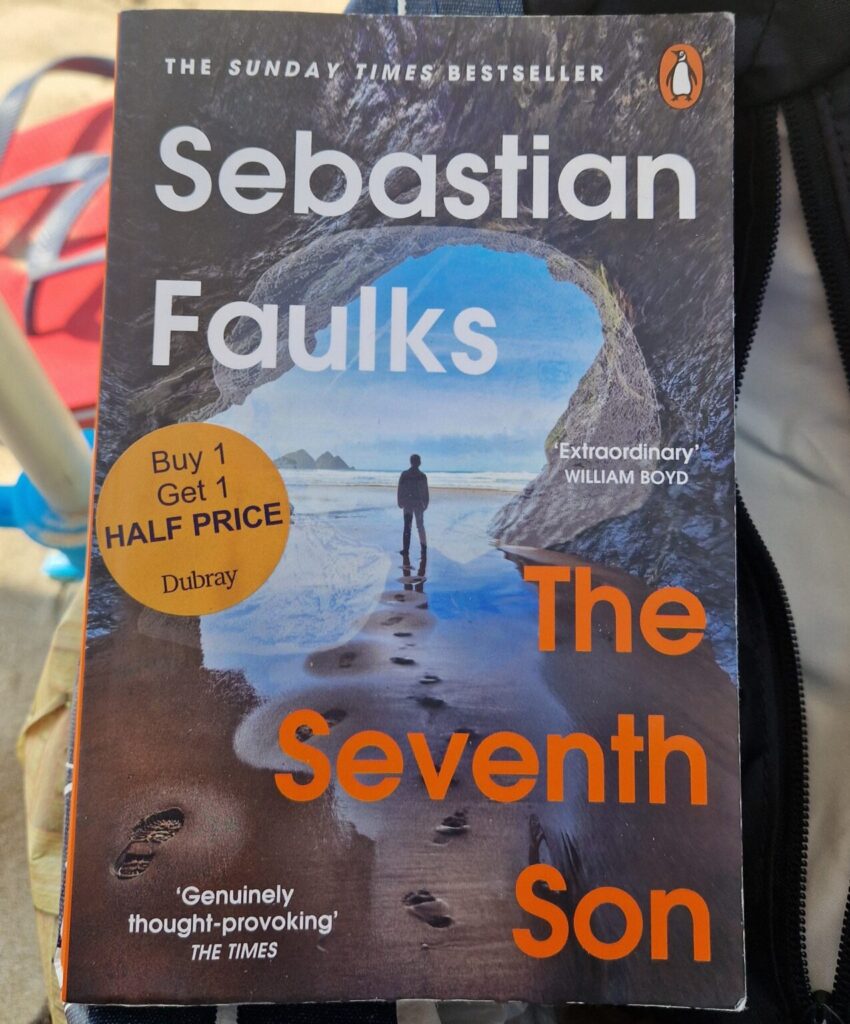
A holiday read and my first time reading Sebastian Faulks. I was interested in the main premise of the book around genetic engineering and resurrecting extinct human species. I’m a regular science fiction reader and enjoy speculative explorations about “what if”. However, that needs to coincide with plausible characters who react in a reasonable way. I found some of the plot a bit far-fetched. This book didn’t do it for me.