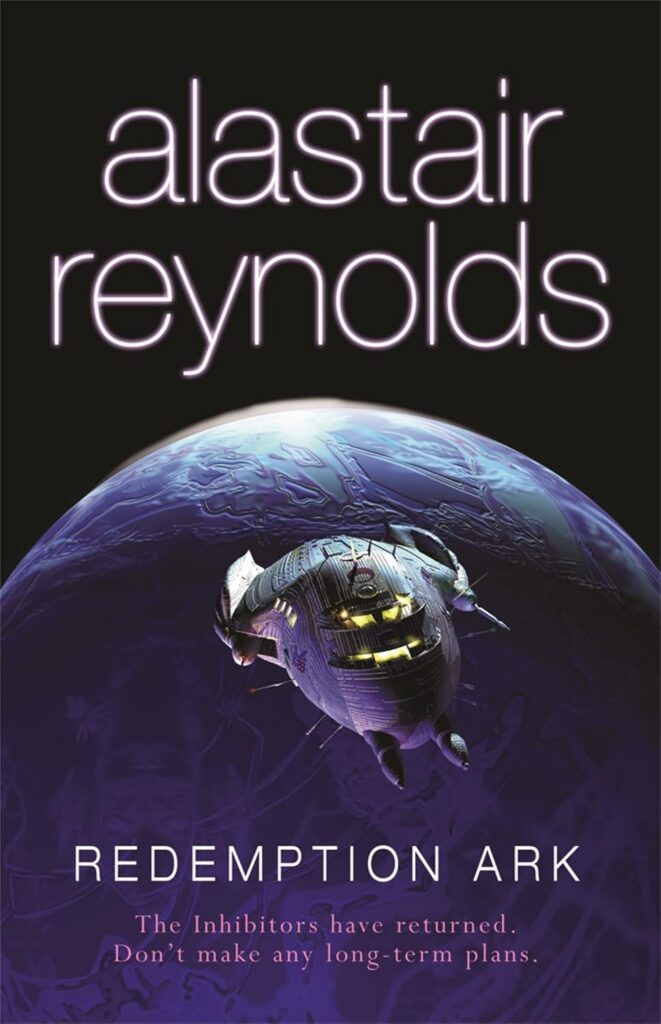
Continuing with re-reading Alastair Reynolds‘ Revelation Space series on Kindle. Had read this many years ago and barely remembered the plot so still got good tension and excitement from it. Ended up being a fast read as was fully engaged in it as a ‘page turner’.
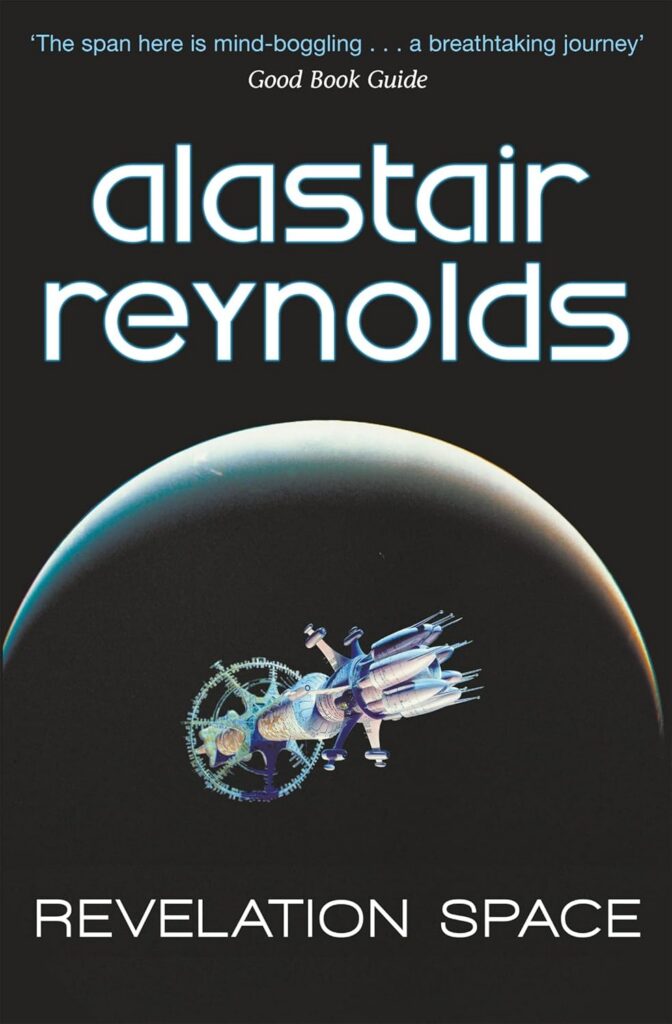
I first read Alastair Reynolds’ Revelation Space over 20 years ago on paperback (it is still up in my attic). Although I’d forgotten much of the plot, the ideas, scientific rigor of the author, rich characterisation and atmospheric scenes really resonated. I recently re-read it on Kindle and loved the worn, practical descriptions of the environments and ship interiors in the story. Very much in the vein of the “industrial gothic” / “used future” set designs from the Alien movies.
The plot line contained an element of archaeological mystery which I always find enjoyable. I’ll re-read the rest of the series as it has stood the test of time well and still feels original and fresh.
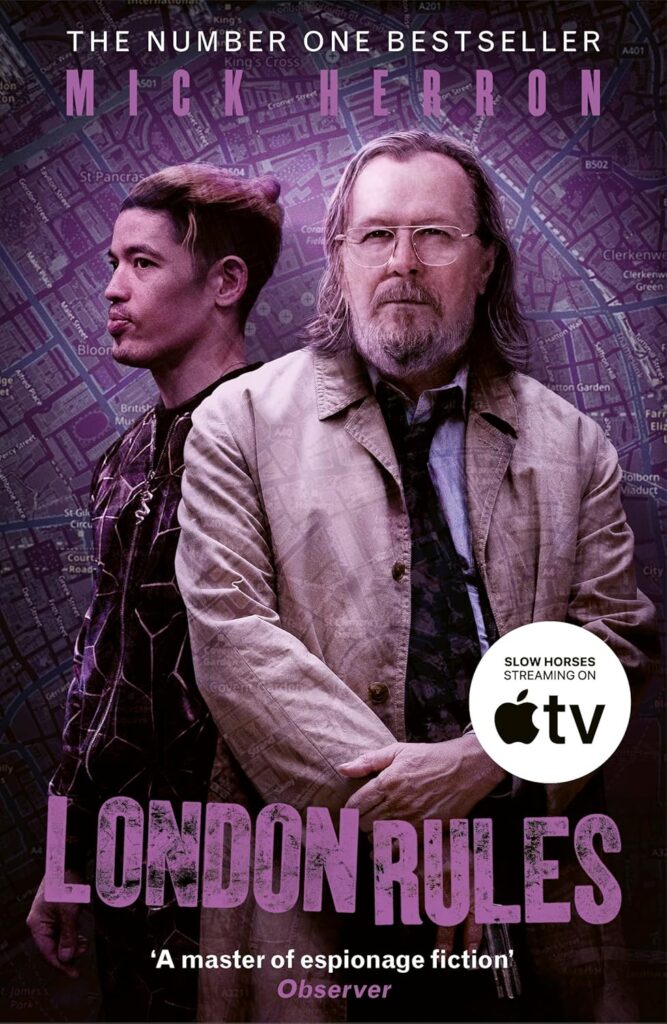
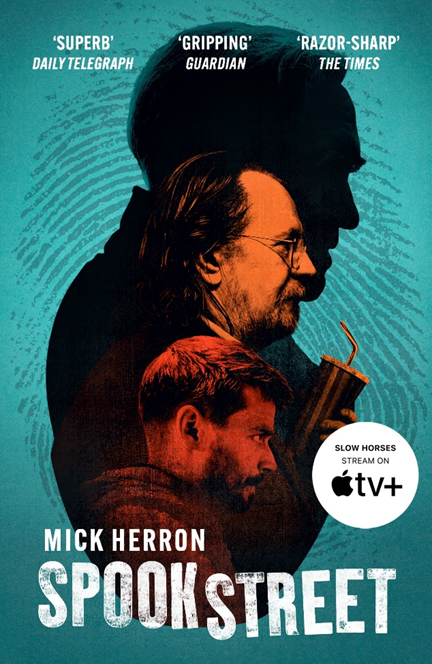
The fifth novel in Mick Herron‘s Slough House series. A good yarn about terrorism and espionage set in the UK. I want to get through the novels before watching the TV series starring Gary Oldman (he is very well cast for his role)
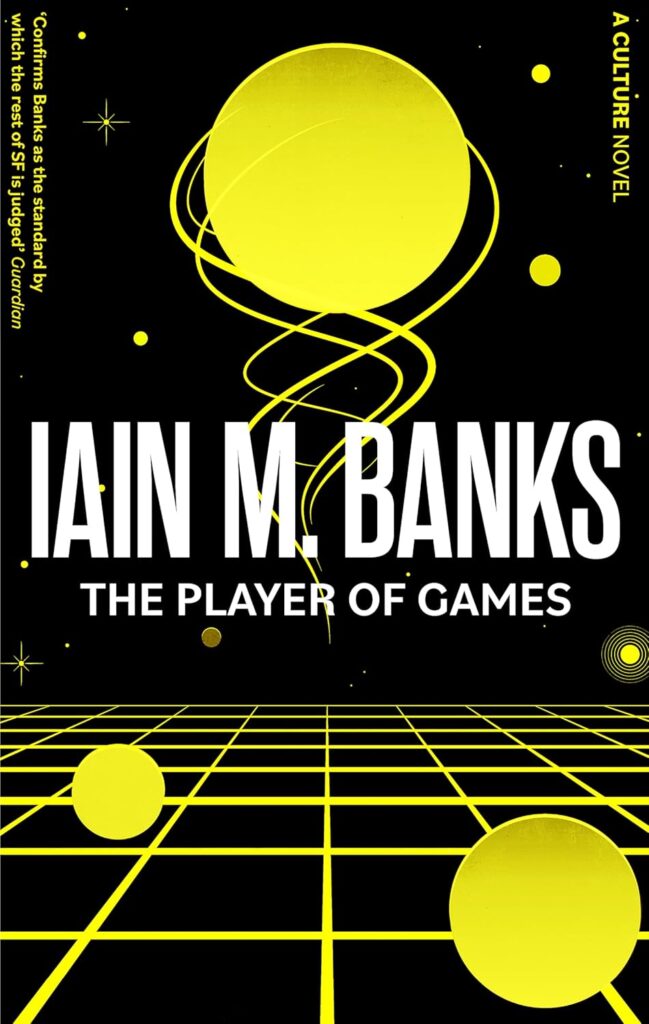
A re-read for me on Kindle. I have the original paperback up in my attic. I first read this brilliant book many years ago – probably around 1999 but in writing this note, when I searched WikiPedia, it was published way back in1988. The technical world and concepts Iain M. Banks came up with for the Culture (I previously read Consider Phlebas from the same series) still stand up really well today.
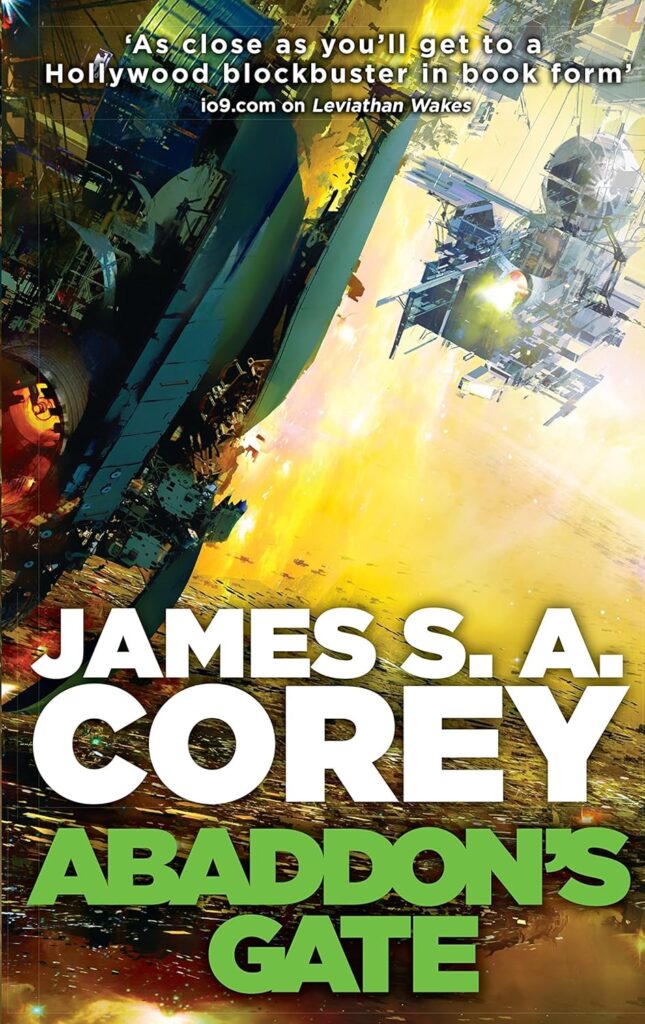
Another Kindle read of James S.A. Corey’s Expanse series. Book 3 follows on from Book 2: Caliban’s War. Still enjoying it. I definitely visualise the characters from the Expanse series from Amazon Prime when reading it. Will take a break and read the next one soon.
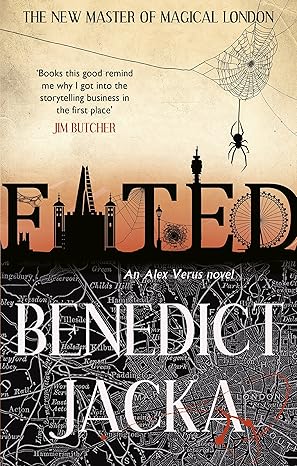
Fated from Benedict Jacka was a good recommendation to me by a colleague when I mentioned that I’d been reading Mick Herron’s Slow Horses series and Ben Aaronovitch’s Rivers of London. Fated is a magical fiction thriller story set in modern London. I will read more from Alex Verus series in future.
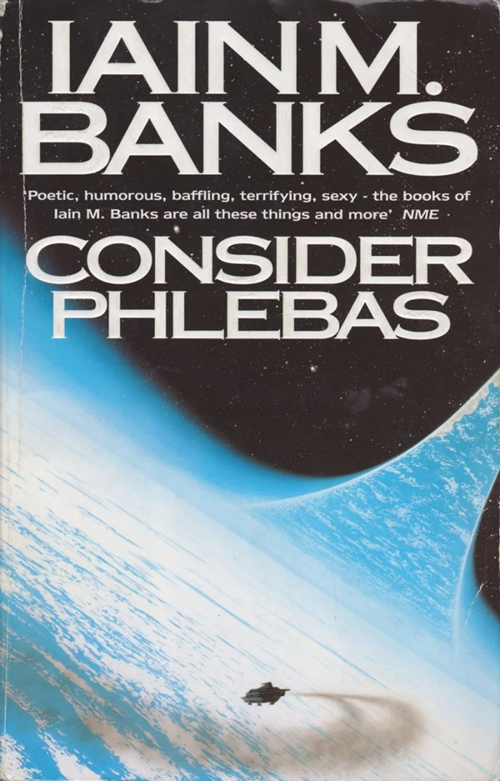
I first read Consider Phlebas from Iain M. Banks over 28 years ago when I was on an overland journey to the Munich beer festival in a camper van with some friends. This was my introduction to the world of The Culture and Banks’ visionary description of a highly liberal, extremely technically capable, but morally ambiguous galactic civilisation largely run by sentient machines.
I’m still on a Kindle buzz after reading Spook Street, Real Tigers and Slow Horses from Mick Herron’s Slough House series. Really enjoying these. Will take a break from these now and divert to sci-fi for a while.
Immediately after reading Real Tigers I used the power of Kindle to go straight onto the next book in the Slough House series from Mick Herron. A good page turner and I liked the characters.
I enjoyed Mick Herron‘s book Slow Horses so have started to read more of the series on Kindle. Very enjoyable, good characters and it’s fun following the locations on Google street view.