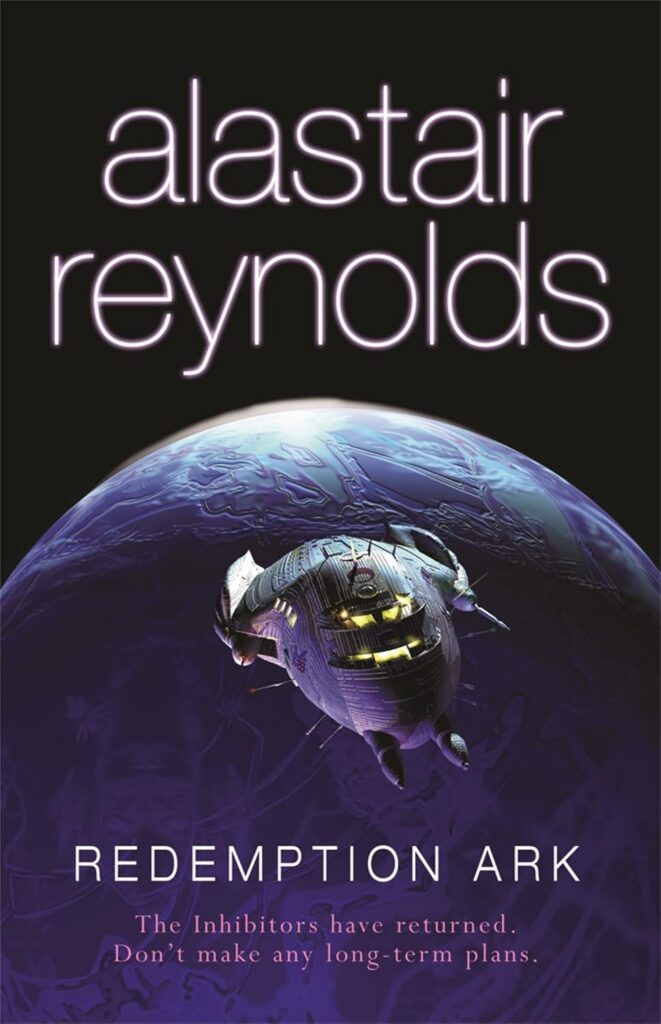
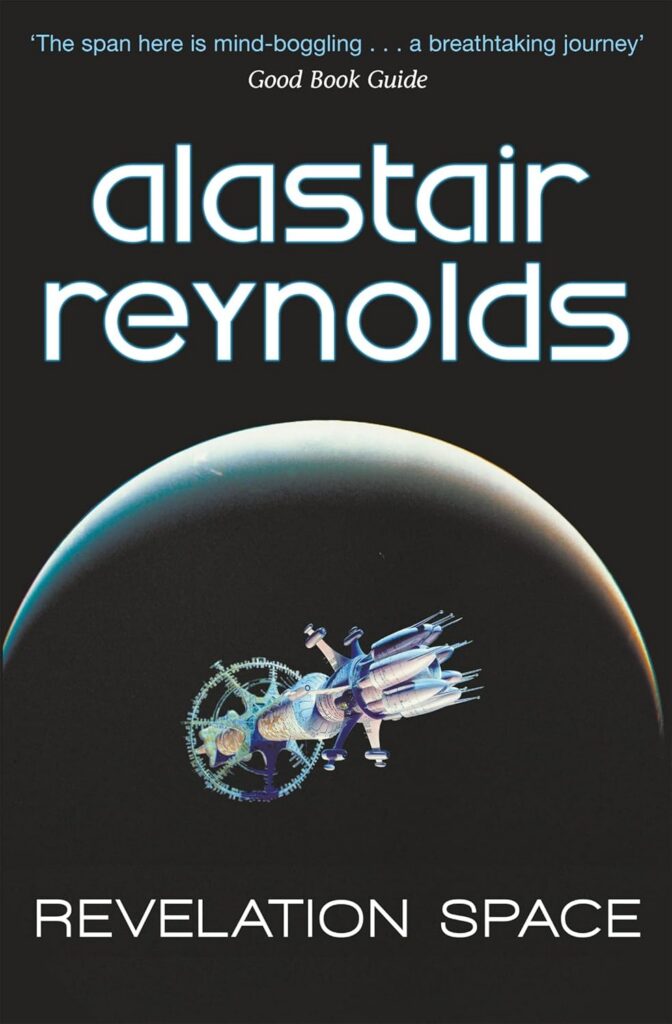
Continuing with re-reading Alastair Reynolds‘ Revelation Space series on Kindle. Had read this many years ago and barely remembered the plot so still got good tension and excitement from it. Ended up being a fast read as was fully engaged in it as a ‘page turner’.
I first read Alastair Reynolds’ Revelation Space over 20 years ago on paperback (it is still up in my attic). Although I’d forgotten much of the plot, the ideas, scientific rigor of the author, rich characterisation and atmospheric scenes really resonated. I recently re-read it on Kindle and loved the worn, practical descriptions of the environments and ship interiors in the story. Very much in the vein of the “industrial gothic” / “used future” set designs from the Alien movies.
The plot line contained an element of archaeological mystery which I always find enjoyable. I’ll re-read the rest of the series as it has stood the test of time well and still feels original and fresh.
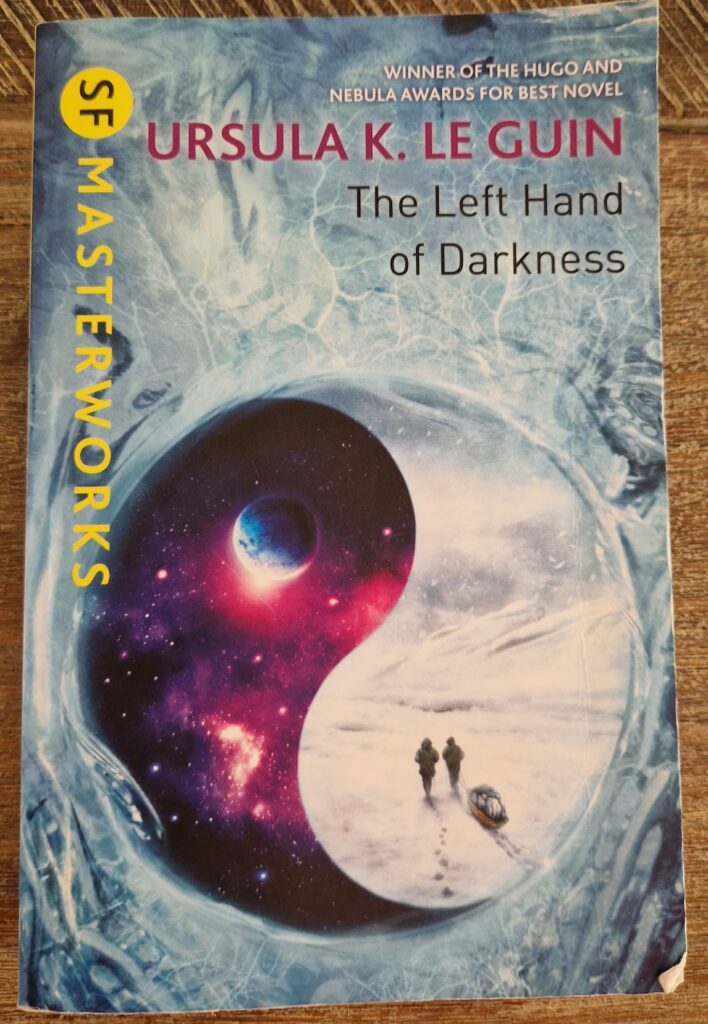
The Left Hand of Darkness by Ursula K. Le Guin the writer of Earthsea was a recent holiday read for me. Although in the Sci-Fi genre the story was really focused on Politics, disinformation, and discrimination. I found similarities with Aleksandr Solzhenitsyn’s Gulag Archipelago and Franz Kafka’s The Trial. With today’s controversies about transgender rights, the book was ahead of its time in describing a society where genders and roles change over time. The growing closeness under adversity between the two main protagonists was moving and convincing. This is an important book and should be on the reading list for anyone interested in the politics of repression.
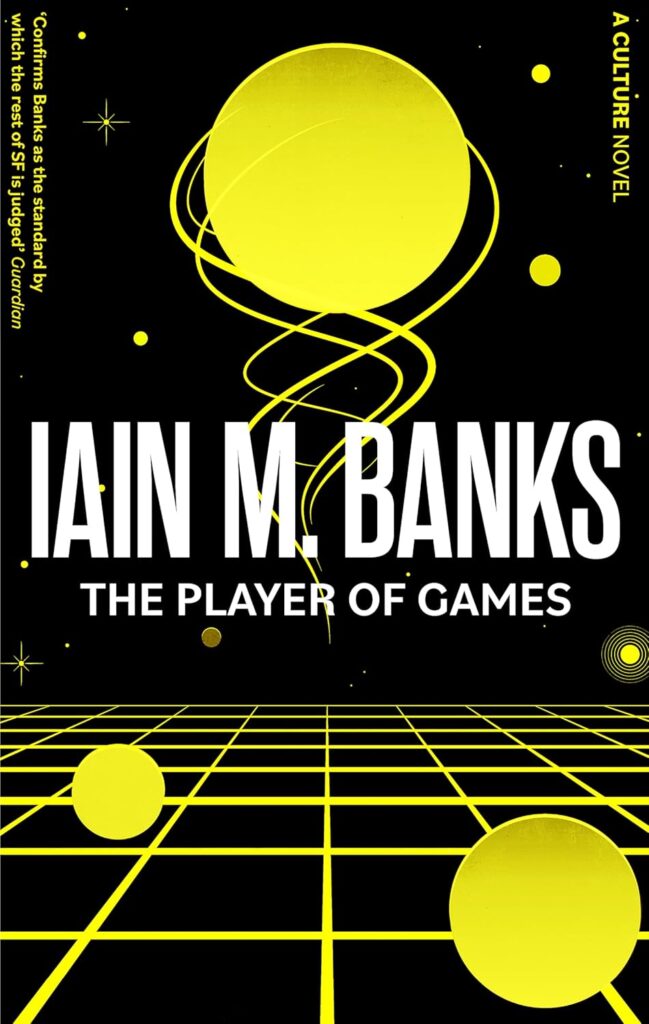
A re-read for me on Kindle. I have the original paperback up in my attic. I first read this brilliant book many years ago – probably around 1999 but in writing this note, when I searched WikiPedia, it was published way back in1988. The technical world and concepts Iain M. Banks came up with for the Culture (I previously read Consider Phlebas from the same series) still stand up really well today.
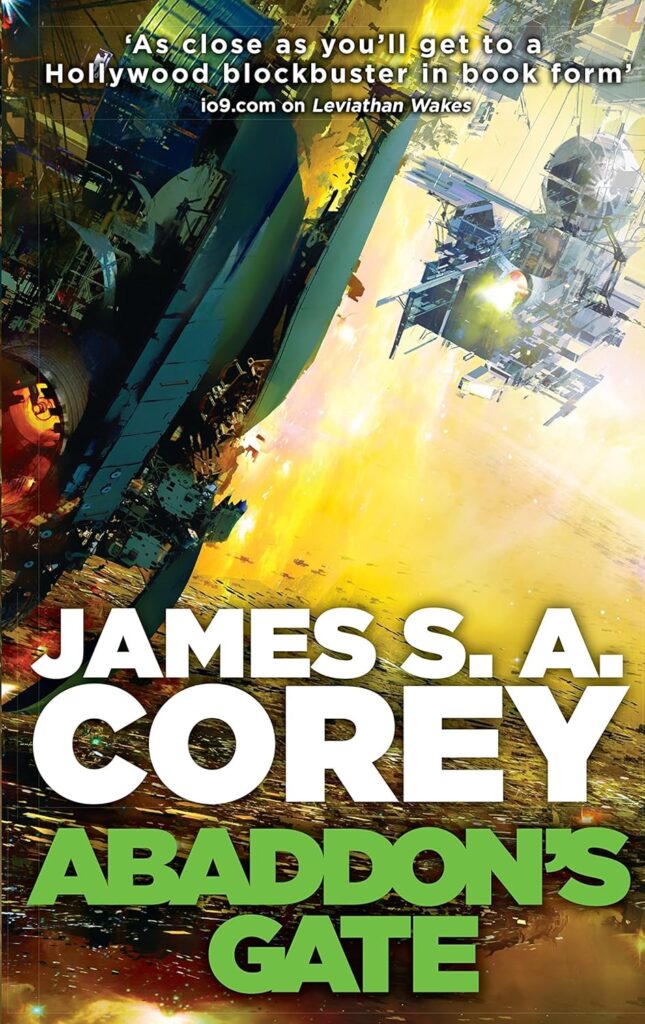
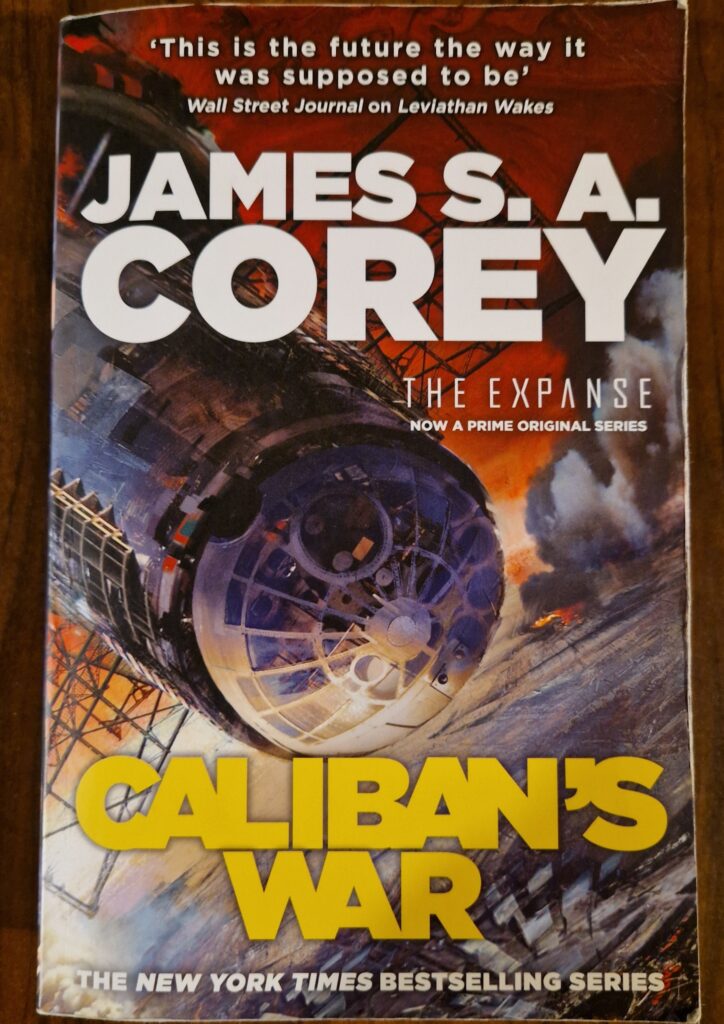
Another Kindle read of James S.A. Corey’s Expanse series. Book 3 follows on from Book 2: Caliban’s War. Still enjoying it. I definitely visualise the characters from the Expanse series from Amazon Prime when reading it. Will take a break and read the next one soon.
The second in the Expanse series from James S. A. Corey. (I previously read Leviathan Wakes in the same series). A good read. Shows again how good the Amazon Prime TV adaptation was.
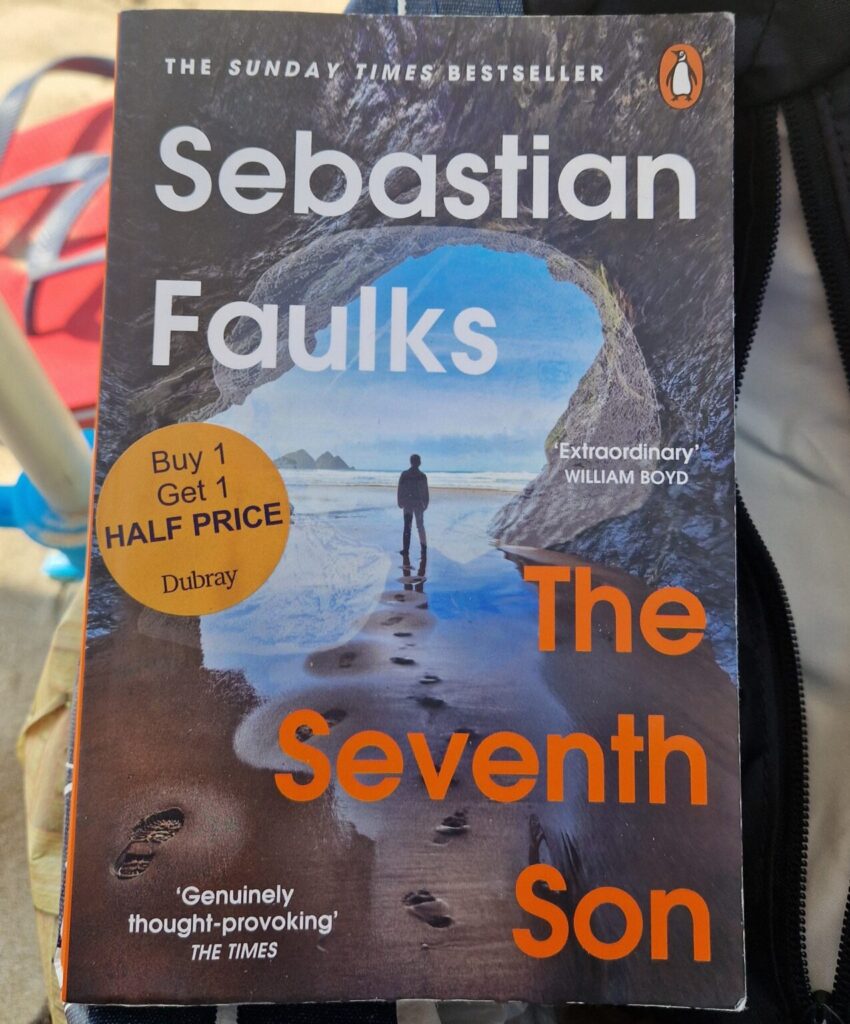
A holiday read and my first time reading Sebastian Faulks. I was interested in the main premise of the book around genetic engineering and resurrecting extinct human species. I’m a regular science fiction reader and enjoy speculative explorations about “what if”. However, that needs to coincide with plausible characters who react in a reasonable way. I found some of the plot a bit far-fetched. This book didn’t do it for me.
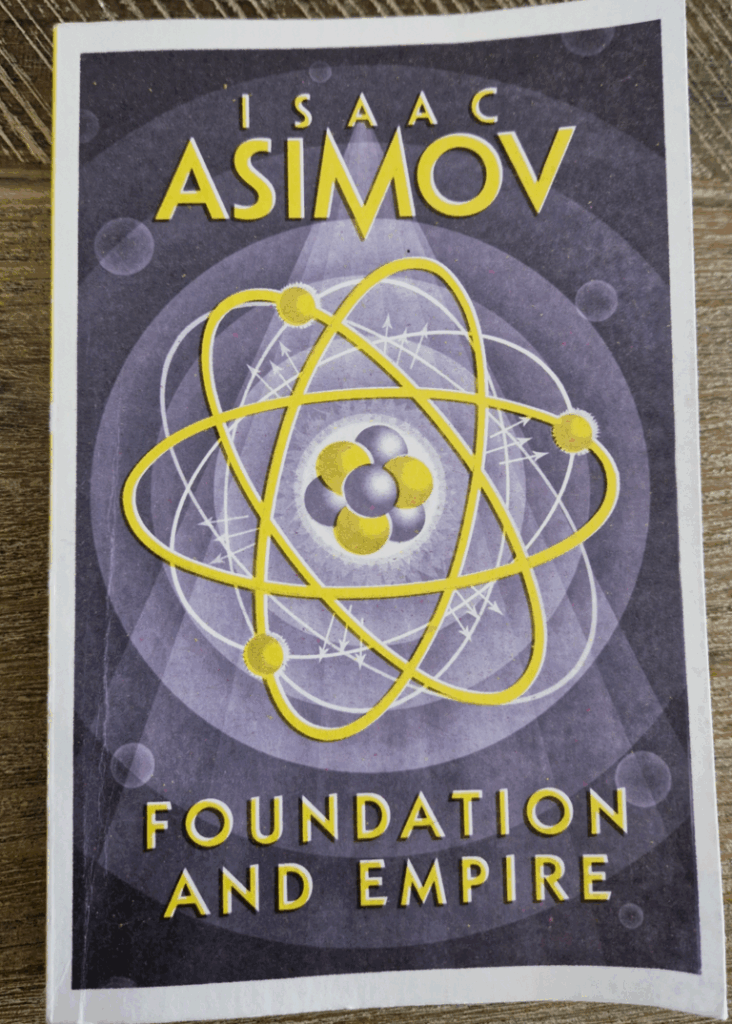
I recently re-read Isaac Asimov‘s seminal sci-fi epic Foundation after a very long time. Foundation and Empire is the next book in the series. I’m probably spoilt from reading the likes of Iain M. Banks, Stephen Baxter, and Alastair Reynolds so I found the foundation books a bit dry, a bit to serious. I miss the fun and invention of some of the more modern authors.
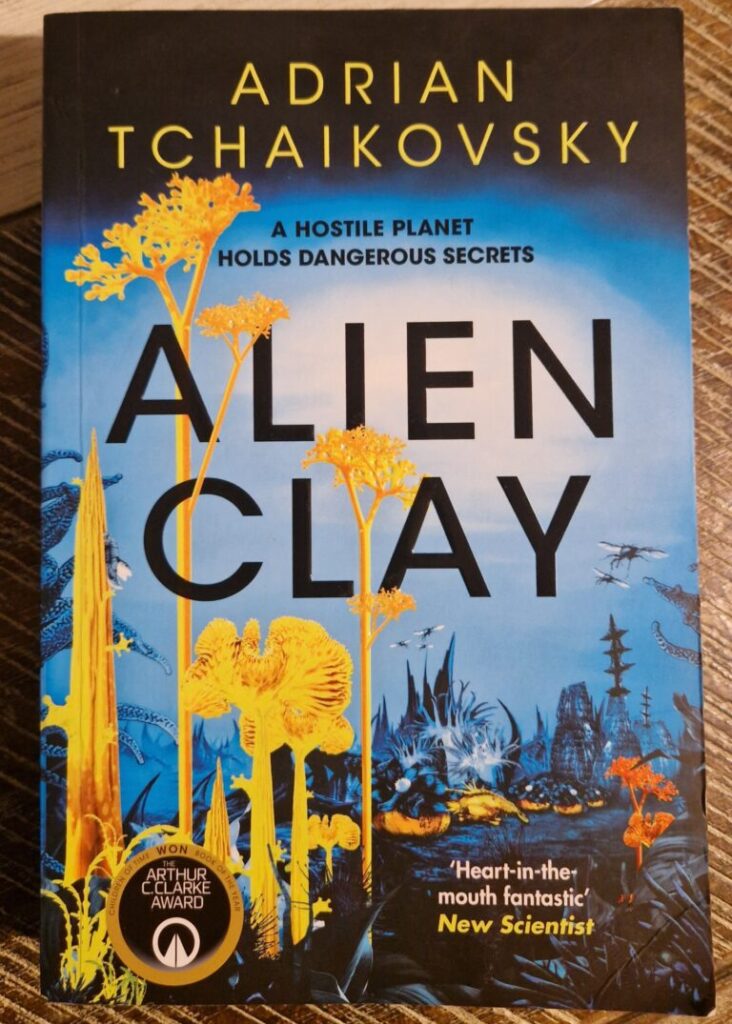
Great to get a book gift I really enjoyed from my fabulous eldest daughter. There are some interesting and innovative biological ideas in Alien Clay from Adrian Tchaikovsky (writer of Children of Time, Children of Ruin and Shards of Earth that I’ve previously read). A combination of sci-fi with a touch of horror. Will continue to read his stuff.
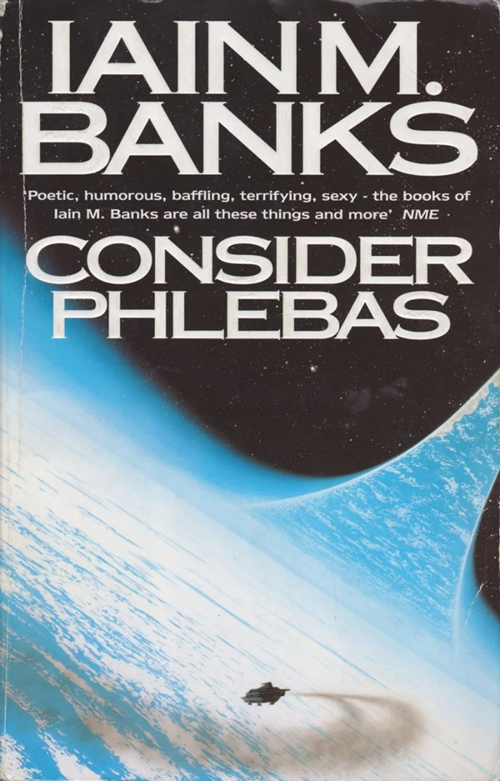
I first read Consider Phlebas from Iain M. Banks over 28 years ago when I was on an overland journey to the Munich beer festival in a camper van with some friends. This was my introduction to the world of The Culture and Banks’ visionary description of a highly liberal, extremely technically capable, but morally ambiguous galactic civilisation largely run by sentient machines.